

The Story of Lakshadweep
Ancient history: Archaeological evidence suggests the islands were inhabited as early as the 1st and 2nd centuries CE, with close cultural ties to the Malabar coast. Arab traders used Lakshadweep as a waypoint on their trade routes connecting Arabia with South and Southeast Asia, and Islam came to the islands through these connections around the 7th century.
Colonial period:The islands came under British influence in the 18th and 19th centuries, administered as part of the Madras Presidency. After Indian Independence, Lakshadweep was constituted as a Union Territory in 1956.
Today: Lakshadweep is governed as a Union Territory of India, with its own administration headquartered at Kavaratti. The islands have a population of approximately 65,000 people — predominantly Muslim — and the local language is Malayalam and Jeseri (a dialect unique to the islands).
Culture: The people of Lakshadweep are warm, deeply traditional, and fiercely proud of their island heritage. Fishing is the backbone of the local economy alongside tourism. The islands are also known for their coir products, handicrafts, and traditional music and dance forms. Visitors are welcomed respectfully — the islands are not a party destination, and that is exactly what makes them special.
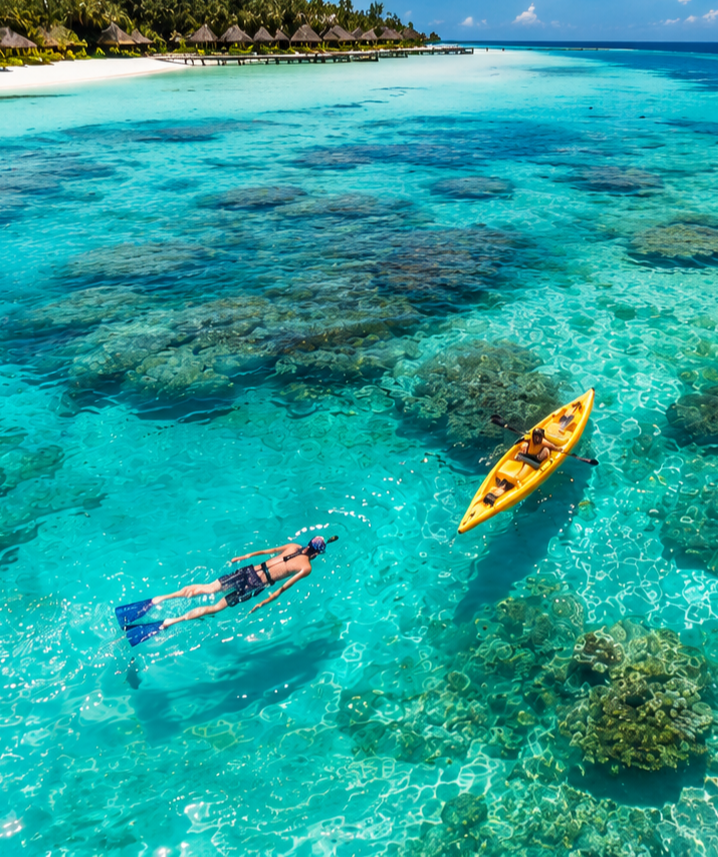
Agatti Island - The Gateway to Lakshadweep
Agatti is one of the most accessible and beautiful islands in Lakshadweep. It holds the distinction of being the only island in the entire archipelago with an operational airport - which makes it the natural entry point for most visitors.
The island is roughly 8 km long and just 1–2 km wide at its broadest point. Running along its western coast is a spectacular lagoon - shallow, calm, impossibly blue -that is ideal for swimming, kayaking, paddleboarding, and snorkelling. Agatti also sits at the edge of one of the most biodiverse coral reef systems in the Indian Ocean.
Key facts about Agatti:
- Area: 3.84 sq km
- Population: approximately 8,000 locals
- Airport: Agatti Airport (AGX) :only airport in Lakshadweep
- Nearest island (accessible by boat): Bangaram (10 km)
- Lagoon depth: 0.5m to 4m : safe for all ages
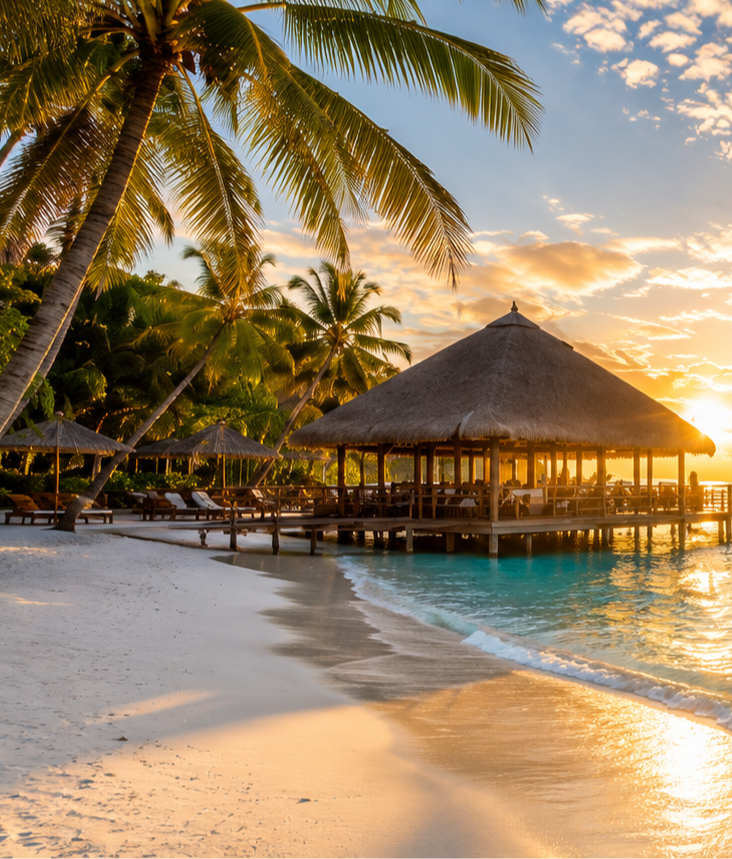
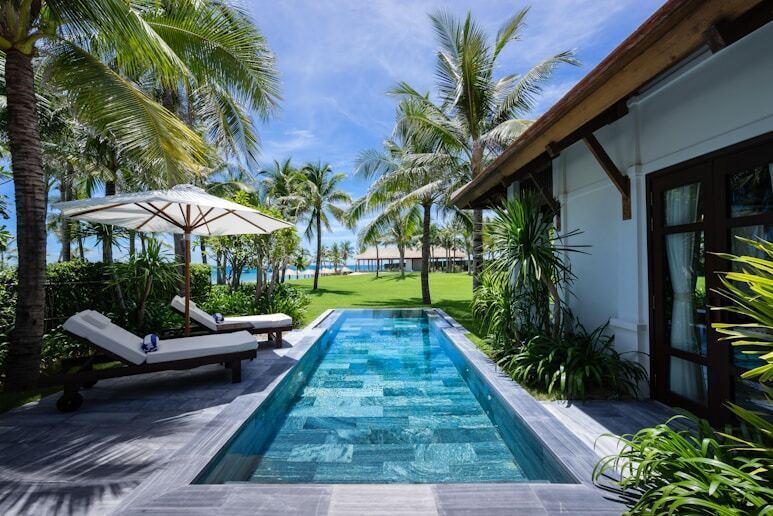
Agatti Lagoon Beach
Located 700 metres from Beachside Agatti Resort, the Agatti Lagoon Beach is a stretch of white sand and crystal-clear shallow water that is arguably one of the most beautiful beaches in India. The lagoon water is warm, calm, and so clear you can see the sandy bottom from 3–4 metres depth. It is ideal for swimming, non-motorised water sports, and those perfect golden-hour photographs.
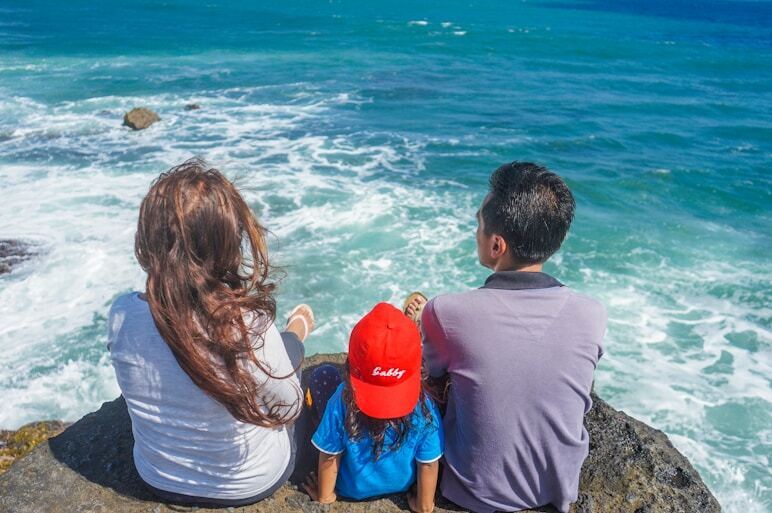
Bangaram Island
A teardrop-shaped, uninhabited coral island 10 km from Agatti, accessible by motorboat in 15–20 minutes. Bangaram has a white sand beach that wraps entirely around the island, and the snorkelling and diving here is world-class. The island has no permanent population — you will often have stretches of beach entirely to yourself. Day trips can be arranged through the resort.
Thinnakara Island
Tiny, isolated, and extraordinarily beautiful. Thinnakara (also spelled Tinnakara) is a small coral islet about 15 minutes by speedboat from Agatti. The shallow reef here is one of the best in the archipelago for snorkelling. Perfect for a picnic day trip — pack lunch from the resort, spend the afternoon in the water.
Kavaratti Island
The capital of Lakshadweep, Kavaratti has the most developed infrastructure in the archipelago. The Urja Masjid (a beautiful mosque), the Government Aquarium (showcasing local marine life), and the well-maintained lagoon make it a worthwhile day trip. Accessible by boat or small aircraft.
Kadmat Island
Known among diving enthusiasts for its incredible underwater topography — coral walls that drop dramatically into the deep ocean. Kadmat is a longer boat journey but well worth it for serious divers. The island also has a government beach resort and a relaxed, unhurried vibe.
Minicoy Island
The southernmost and most distinctive island in Lakshadweep, with a lighthouse built in 1885 that still functions today. Minicoy has a unique culture influenced by the Maldivian heritage. A great option for those seeking a multi-island experience.

Scuba Diving
Agatti sits within the Lakshadweep Sea — home to some of the world's most species-rich coral ecosystems. Over 50 dive sites lie within 2 km of Agatti Island, offering experiences for beginners and certified divers alike. You can expect to encounter manta rays, leopard sharks, green and hawksbill sea turtles, schools of barracuda, Napoleon wrasse, and an explosion of reef fish and hard coral.
- Beginner dives (Discover Scuba): From ₹3,500/person
- Certified fun dives: From ₹4,500/person/dive
- PADI Open Water course (3 days): From ₹18,000/person
- All dives arranged through certified operators with full safety equipment.

Snorkelling
You do not need to be a diver to experience Agatti's underwater world. The lagoon reef begins just metres from the shore, and even shallow snorkelling at knee depth reveals a riot of colourful coral and fish. We provide snorkelling gear and can arrange guided snorkelling trips to the best spots.
- Snorkelling gear rental: ₹500/day
- Guided snorkelling trip to reef: ₹1,500/person

Kayaking & Stand-Up Paddleboard (SUP)
The lagoon at Agatti is a perfect kayaking environment — calm, shallow, and warm. Paddle through the clear water, explore the shallows, and enjoy the island from the water's surface. No experience required. Ideal for couples, families, and senior travellers.
- Kayaking: ₹800/hour
- Stand-up Paddleboard: ₹1,000/hour

Glass-Bottom Boat Tour
See the coral reef, fish, and sea life without getting wet. Our glass-bottom boat tours are the most popular activity for families with young children and senior guests. Sit back, watch the world below the surface, and let a local guide explain what you're seeing.
- Glass-bottom boat tour: ₹1,200/person (60-minute tour)

Sunset Dhow Cruise
Board a traditional wooden dhow as the sun dips towards the Arabian Sea horizon. This is the most romantic experience Agatti has to offer — and the gold and pink sky over the lagoon at sunset is something you will carry with you for the rest of your life. Highly recommended for honeymooners and couples.
- Sunset dhow cruise: ₹2,500/couple (90-minute cruise)

Deep-Sea Fishing
Join local fishermen for an early-morning deep-sea fishing expedition. Agatti's waters are rich with tuna, barracuda, yellowfin, and mackerel. This is a genuine, cultural experience — not a tourist gimmick. What you catch can often be cooked for you at the resort.
- Deep-sea fishing trip: ₹3,000/person (3-hour morning trip)

Island Walking Tour
Walk through Agatti village with a local guide. See the island's mosques, meet residents, watch the fishermen repair their nets, and understand what life is truly like on a remote Indian island. A rare and humbling experience.
- Guided island walk: ₹500/person (1.5 hours)
October to February — Peak Season (Best Overall)*
The weather is clear, the seas are calm, and visibility underwater is at its finest. This is the best time for diving, snorkelling, and all water sports. Expect the highest flight fares and the strongest demand for accommodation. Book at least 3–4 months in advance.
March to May — Shoulder Season (Warm & Less Crowded)
The weather remains warm and mostly sunny, with occasional pre-monsoon showers. Water activities are still excellent. Flights and accommodation are more affordable, and the island is noticeably less busy. A good alternative for those who want good weather without the peak-season rush.
June to September — Monsoon Season (Lush, Peaceful & Discounted)
The southwest monsoon transforms Lakshadweep — the islands become intensely green, the air smells of rain and salt, and visitor numbers drop dramatically. Some water sports (particularly inter-island boat transfers) may be restricted on rough-sea days. However, the lagoon itself remains swimmable on most days, and the sheer quiet of a monsoon Agatti is unlike anything else in India. Our Monsoon Serenity Escape package offers savings of up to ₹20,000 vs peak rates.